Wedding planning
How to Choose the Right Wedding Planner for Your Big Day
Seven things to check before you hire a wedding planner in Karachi, Lahore, Islamabad or anywhere in Pakistan: services, experience, costs, vendor network, communication, client feedback and the written agreement.

Choosing a wedding planner is an important decision because the right professional can make the entire celebration easier to manage, from the initial preparations to the final event. However, with different service packages, budgets, and planning approaches available, knowing how to choose the best wedding planner in Karachi can be challenging.
A beautiful portfolio alone does not necessarily mean a planner is the right fit for your wedding. You also need to consider their experience, range of services, communication, vendor network, and ability to manage unexpected situations. Whether you are arranging a wedding in Karachi, Lahore, Islamabad, or another city in Pakistan, evaluating these factors before hiring can help you make a more confident decision.
Here are seven important things to consider when selecting a wedding planner.
1. Start by Understanding What You Need From a Wedding Planner
Before contacting different planners, identify the type of support you actually need. The best wedding planners in Pakistan offer different levels of support, and not every professional provides the same range of services.
Some couples prefer complete wedding planning, where the planner manages arrangements from the early stages. Others may only need assistance with specific responsibilities or coordination on the wedding day.
Common service options include:
- Full-service wedding planning: Covers major arrangements such as budgeting, venue selection, vendor bookings, décor planning, scheduling, and event execution.
- Partial wedding planning: Assists with selected responsibilities while the family manages other aspects independently.
- Wedding-day coordination: Focuses on managing the schedule, vendors, setup and event flow on the actual wedding day.
Think about the number of functions, expected guest count, venue requirements, and how much time you can personally dedicate to the preparations.
For example, a wedding involving Mehndi, Baraat, and Walima may require more extensive coordination than a single-day celebration. Understanding your requirements first will help you approach planners whose services match your expectations.
2. Evaluate Their Experience and Previous Wedding Projects
A wedding planner's experience provides useful insight into how they handle different events, clients, and practical challenges. However, experience should be evaluated through actual work rather than relying only on the number of years a company claims to have operated.
Ask to see examples of weddings they have managed. Review their portfolio to understand the variety of events they have handled, the quality of their arrangements, and whether their work reflects the style you want.
Pay attention to details such as
- Different wedding functions and event sizes.
- Venue layouts and stage arrangements.
- Décor execution and attention to detail.
- Guest seating and dining arrangements.
- Coordination between different service providers.
- Consistency across the events shown in their portfolio.
It is also useful to ask whether the planner has managed events similar to yours. Someone experienced in large wedding receptions may have a different approach from a planner who primarily handles intimate celebrations.

Do not judge a company solely by its most impressive photographs. Ask about its actual responsibilities in those projects and how much of the event was managed by its own team.
3. Check the Range of Wedding Planning Services They Offer
A professional wedding planner should clearly explain what is included in their services. Some companies specialize in décor, while others manage several aspects of the event, including logistics, catering, entertainment, and on-site coordination.
Before comparing proposals, check which responsibilities the planner can handle and which services need to be arranged separately.
Important areas to discuss include:
- Venue selection and management: Can they help shortlist suitable venues based on guest count, location, budget, and event requirements?
- Décor and stage design: Do they provide customized concepts, floral arrangements, lighting, entrance décor, and stage setups?
- Catering arrangements: Can they coordinate menu selection, food service, serving staff, and dining requirements?
- Vendor management: Do they work with photographers, videographers, entertainment teams, sound technicians, and other service providers?
- Event-day execution: Will their team supervise setup, manage the schedule, and coordinate vendors throughout the celebration?
A detailed service breakdown makes it easier to understand what you are paying for. It also helps prevent misunderstandings when the event approaches.
4. Compare Wedding Planner Costs and Understand What Is Included
Budget is one of the most important considerations when hiring a wedding planner. However, choosing the lowest quotation without understanding the services included can lead to additional expenses later.
Wedding planner costs in Pakistan can vary depending on several factors:
- Number of wedding functions.
- Total guest count.
- Venue size and location.
- Décor complexity and customization.
- Number of vendors involved.
- Level of planning and on-site coordination.
- Additional production or logistical requirements.
When requesting quotations, share the same event details with each shortlisted planner. This makes it easier to compare their proposals fairly.
Ask whether the quotation covers planning fees, vendor charges, décor, catering coordination, transportation, equipment, and any additional services. Also clarify which expenses are estimated and which are confirmed.
A written proposal should outline the agreed services, payment schedule, additional charges, and cancellation terms.
Rather than focusing only on the total price, consider the value of the services being provided. A slightly higher quotation may include responsibilities that would otherwise require separate vendors or additional coordination.
5. Ask About Their Vendor Network and Coordination Process
Choosing an experienced event management company in Karachi can also help bring different vendors and event arrangements under coordinated management.
This is why vendor coordination should be an important part of your evaluation.
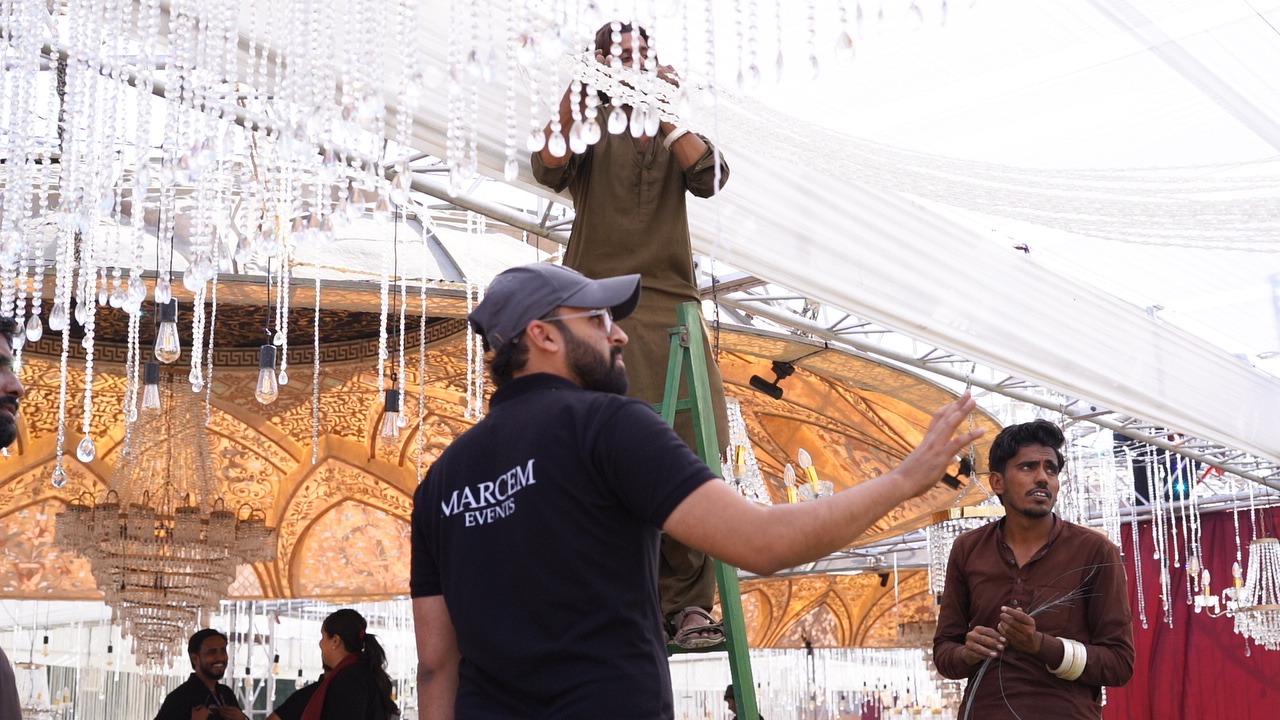
Ask the planner how they select and work with their vendors. Find out whether they have an established network of decorators, caterers, photographers, videographers, entertainment teams and technical suppliers.
You should also understand how they manage communication between these teams.
Useful questions include:
- Who confirms vendor bookings and service details?
- How are setup and arrival times communicated?
- Who handles changes in the event schedule?
- Is there a designated person supervising vendors on the event day?
- What happens if a booked vendor becomes unavailable?
A reliable coordination process should include confirmed responsibilities, clear timelines,, and a designated contact person. This is particularly important when several functions take place at different venues or on consecutive days.
6. Assess Their Communication and Problem-Solving Skills
Wedding preparations involve many decisions, discussions, and changes. Your planner should be someone who listens carefully, understands your priorities, and communicates clearly throughout the process.
During your initial meetings, notice how they respond to your questions. Do they explain their suggestions with practical reasons? Are they willing to discuss alternatives? Do they understand your budget and preferences?
You should also ask how they handle unexpected situations.
For example, what happens if the guest count increases, a vendor arrives late, the weather affects an outdoor setup or an important piece of equipment develops a problem?
No planner can guarantee that every event will run without unexpected challenges. What matters is whether they have a practical approach to handling them.
Before hiring, clarify:
- Who will be your main point of contact?
- How frequently will you receive planning updates?
- How will important decisions and changes be documented?
- Who will be present at the venue on the event day?
- How will urgent issues be communicated?
Good communication helps establish trust and reduces the chances of misunderstandings during the preparations.
7. Review Client Feedback and Finalize the Agreement
Before making your final decision, look beyond the planner's portfolio and review feedback from previous clients.
Some companies specialize in décor, while others manage several aspects of the event, including logistics, professional catering service providers, entertainment, and on-site coordination.
If possible, ask the planner whether you can speak with a previous client. A genuine client experience may help you understand what working with the company is like beyond the promotional material.
Once you have shortlisted your preferred planner, arrange a detailed meeting to discuss the complete event requirements.
Before signing an agreement, make sure it clearly states:
- Services and deliverables included.
- Number of functions covered.
- Payment schedule and deadlines.
- Additional charges and possible exclusions.
- Cancellation and rescheduling terms.
- Responsibilities of both parties.
- Event-day team and coordination arrangements.
Avoid relying entirely on verbal promises. A written agreement gives both sides a clear understanding of the expected services and responsibilities.
Questions to Ask Before Hiring a Wedding Planner
Meeting a wedding planner is an opportunity to understand their working style and assess whether they can manage your event. Instead of discussing only décor ideas and prices, ask questions that reveal how they approach planning and execution.
Consider asking:
1. Have you managed weddings similar to mine?
This helps you assess whether their previous experience matches your event size, style and requirements.
2. Which services are included in your package?
Request a clear breakdown of the responsibilities covered in the quotation.
3. Will your own team be present on the wedding day?
Confirm who will supervise the event and coordinate vendors at the venue.
4. How do you handle last-minute changes?
Their response can help you understand their approach to unexpected situations.
5. Can you share references or examples of completed events?
This allows you to review their work and learn about previous client experiences.
6. What is your payment and cancellation policy?
Understanding financial terms before booking helps avoid disagreements later.
Final Thoughts
Choosing the right wedding planner requires more than comparing prices or selecting the company with the most attractive portfolio. You need a professional who understands your requirements, offers suitable services, coordinates vendors effectively, and communicates clearly throughout the process.
Take time to compare portfolios, review client feedback, discuss service details, and understand the written agreement before making your decision. Whether you are planning an intimate gathering or a multi-function wedding, selecting a planner with the right experience and coordination approach can make the entire celebration easier to manage.
The best choice is not necessarily the most expensive or the most popular planner. It is the one whose services, working approach, and experience align with your wedding requirements.
Frequently Asked Questions
When should you hire a wedding planner?
It is generally better to contact wedding planners several months before the wedding, especially if you are planning multiple functions or need assistance with venue and vendor bookings. Starting early gives you more time to compare services and finalize arrangements.
How much does a wedding planner cost in Pakistan?
The cost depends on the number of functions, guest count, venue, décor requirements, and level of service. Requesting detailed quotations based on the same event requirements is the best way to compare different planners.
What is the difference between a wedding planner and a wedding coordinator?
A wedding planner typically manages broader preparations, including budgeting, vendor selection, bookings, and event arrangements. A wedding coordinator focuses more on organizing the schedule, supervising vendors, and managing the event's execution.
What should a wedding planner's package include?
Depending on the agreed service, a package may include venue assistance, décor planning, vendor coordination, scheduling, logistics, and event-day supervision. Always request
- #wedding planner
- #Karachi
- #Lahore
- #Islamabad
- #Pakistan
- #vendor selection